Friday, April 8, 2011
Zooniverse
I have been recording date from old weather reports made by British ship captains during WWII. It is fun, and I can track the ships as they travel and note important changes in the weather. I have also analyzed stars' light curves to try and identify planets.
Thursday, March 31, 2011
APOD 4.1
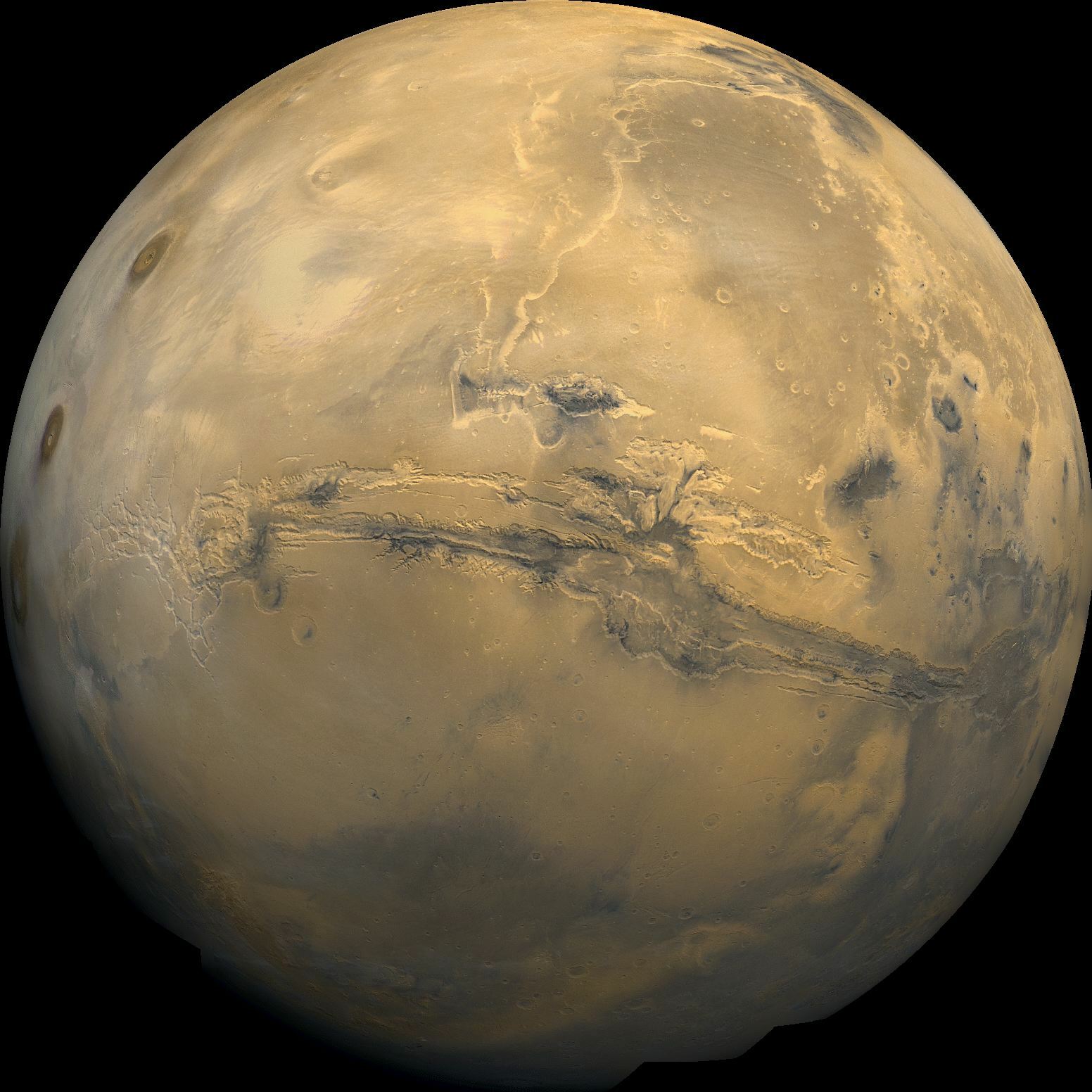
This is a picture of Mars. The huge canyon in the center is Valles Marineris. It is 3,000 kilometers long, and up to 600 kilometers wide. It gets up to 8 kilometers deep. We're not sure what caused the canyon to form, but some people think that it formed from a huge crack in the planet's cooling surface.
Monday, March 28, 2011
Observation
I looked up and was able to see Leo, with the stars Regulus and Denebola. I can't wait for Spring, because a lot of cool constellations are in Spring. I'm particularly excited for Virgo and Libra, since I love the names of Libra's stars, and Spica is a cool name too. I was also able to see Hydra and Corvus. I also saw the Winter stars; Sirius, Betelgeuse, Rigel, Capella, Castor, Procyon, Pollux.
Thursday, March 24, 2011
Observation
I went outside and looked up. I saw all my favorite constellations; Orion, Canis Major, Auriga, Taurus, Gemini. And I tried to see the Crab Nebula, but I couldn't. I guess I need a telescope. And perhaps to get farther away from the city.
APOD 3.8
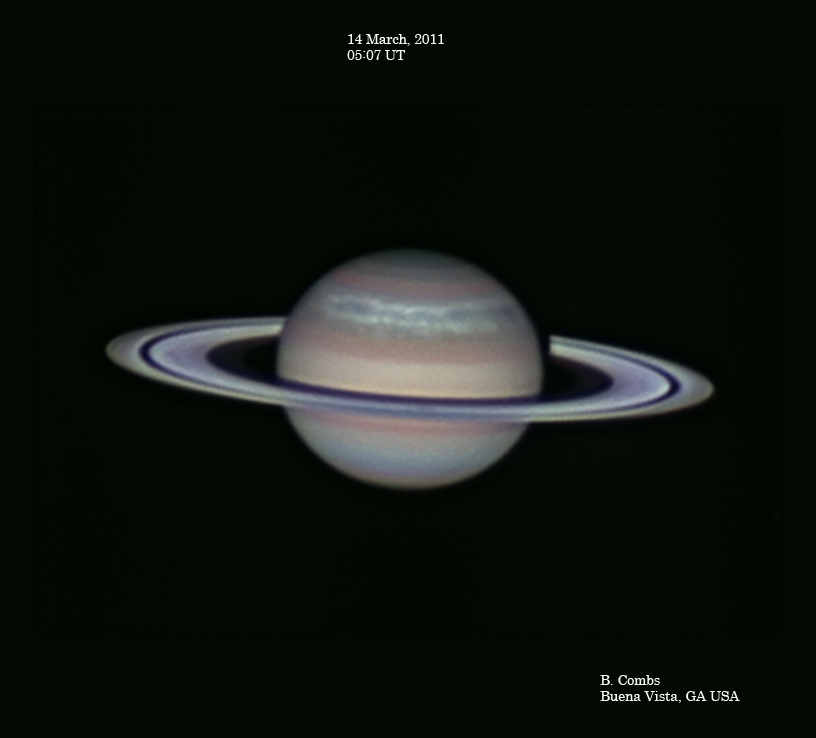
This picture shows the planet Saturn. The northern hemisphere is ringed with a hazy green band that is, in fact, a storm. Affectionately known as the Serpent Storm, it originated in late 2010, and now goes around the entire planet. Gas giants are plagued by storms, spawned from the hundreds of miles of volatile gasses and huge amounts of pressure.
Friday, March 18, 2011
APOD 3.7
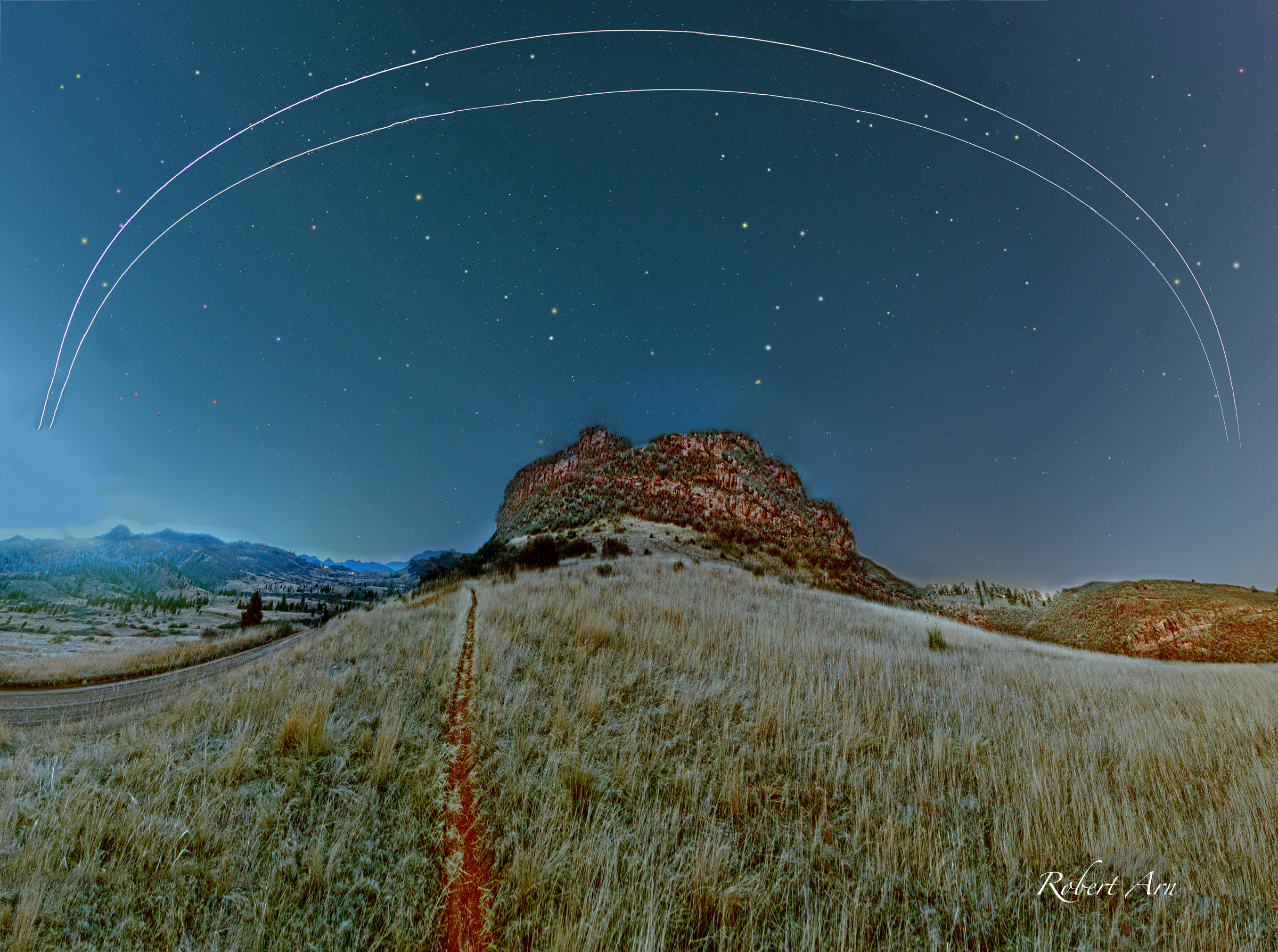
This picture shows two arcs of light across the sky. They are the International Space Station and the Space Shuttle Discovery. The ISS is in low Earth orbit, and it reflects sunlight back. The Shuttle had just undocked from the ISS. Both objects can be seen from Earth without much trouble. The image shows the aths that the objects traced out across the sky.
Friday, March 4, 2011
APOD 3.6
This is a picture of the full moon over Alberta, Canada. The moon appears red because the blue light is preferentially scattered. The steam is caused by oil refineries, and it causes the moon to look squished.
Subscribe to:
Posts (Atom)