Thursday, December 9, 2010
Observation 12-9-10
I went outside and tested myself at recognizing the stars I've been teaching myself. I did pretty good, and I correctly identified Capella, Aldebaran, Bellatrix, Elnath, Betelgeuse, Rigel, Altair, Deneb, Alberio, Vega, Achernar, Algol, Polaris, Fomalhaut, and Mira. I also saw lots of constellations, including, but not limited to, Ares, Triangulum, Pisces, Perseus, and Sagitta.

Friday, November 19, 2010
APOD 2.4
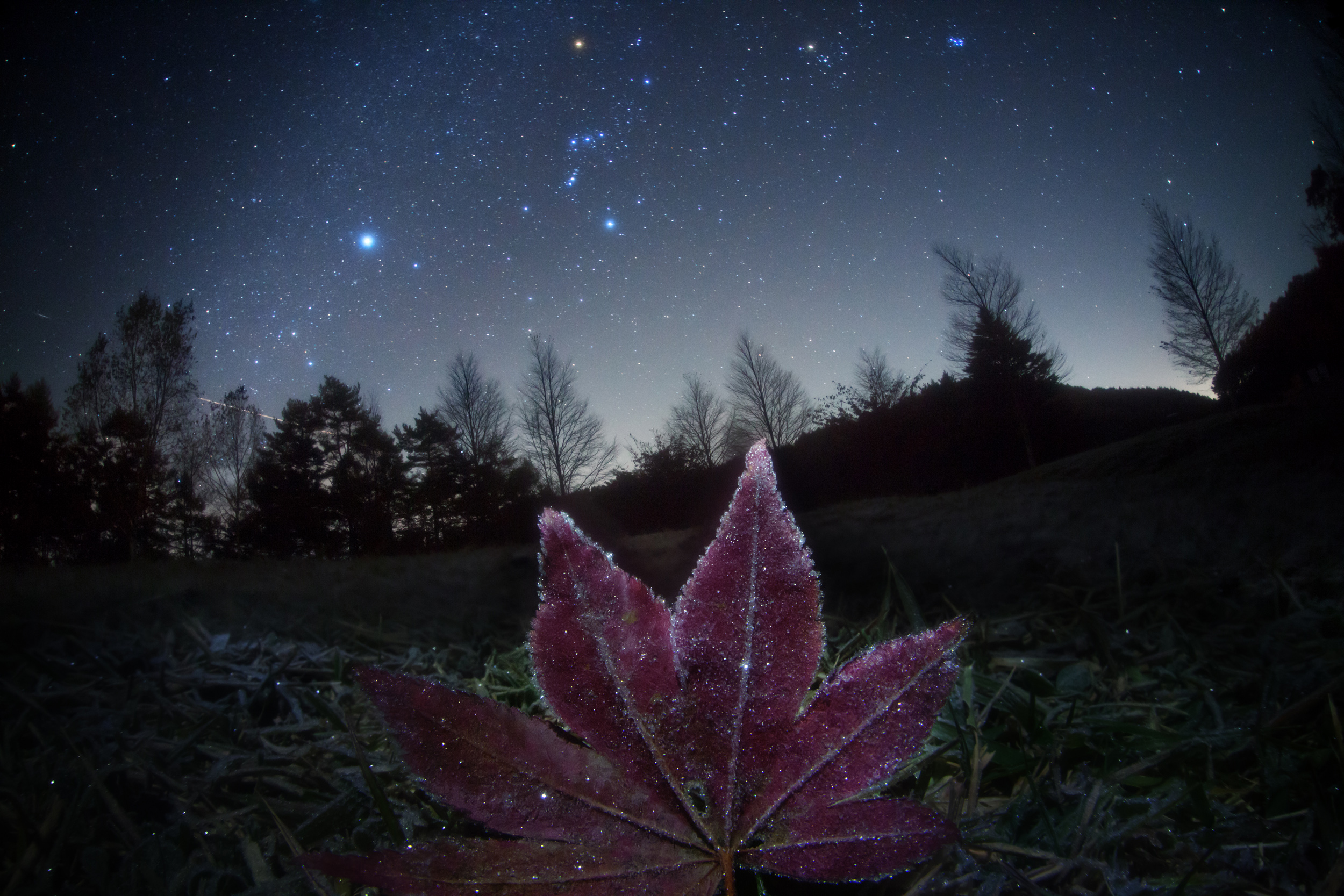 |
| A frost-covered leaf with constellations in the background |
Tune in next week for another great APOD post!
Friday, November 12, 2010
APOD 2.3
 |
Wednesday, November 10, 2010
Observation and WWSC
I just did the World Wide Star Count. My driveway in Englewood has a limiting magnitude of five. That's pretty awesome, so I'm gonna miss that when I move closer to the city in a month or so. Oh well.
I also took a pair of binoculars outside and was able to identify every constellation in the sky. I saw two meteors and M31. I tried to observe Polaris B, but my nocs weren't good enough. But, I'm trying to get my own telescope, so no worries!
Thanks for reading, and stay tuned for more cool astronomy posts, my dear followers!
I also took a pair of binoculars outside and was able to identify every constellation in the sky. I saw two meteors and M31. I tried to observe Polaris B, but my nocs weren't good enough. But, I'm trying to get my own telescope, so no worries!
Thanks for reading, and stay tuned for more cool astronomy posts, my dear followers!
Friday, November 5, 2010
APOD 2.2
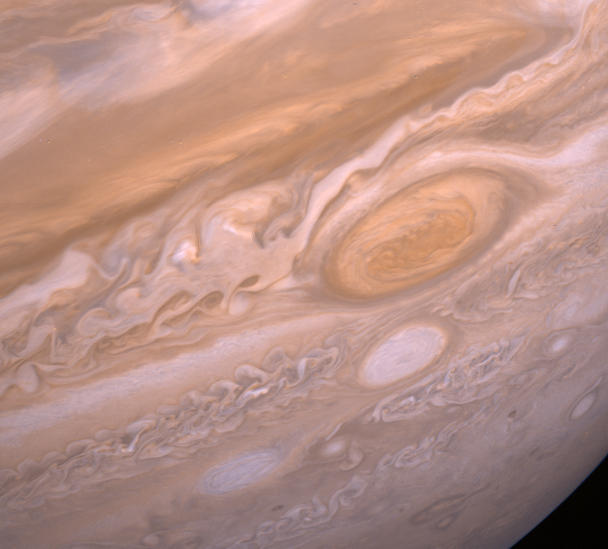 |
| Jupiter's two storms approaching. |
Thursday, October 28, 2010
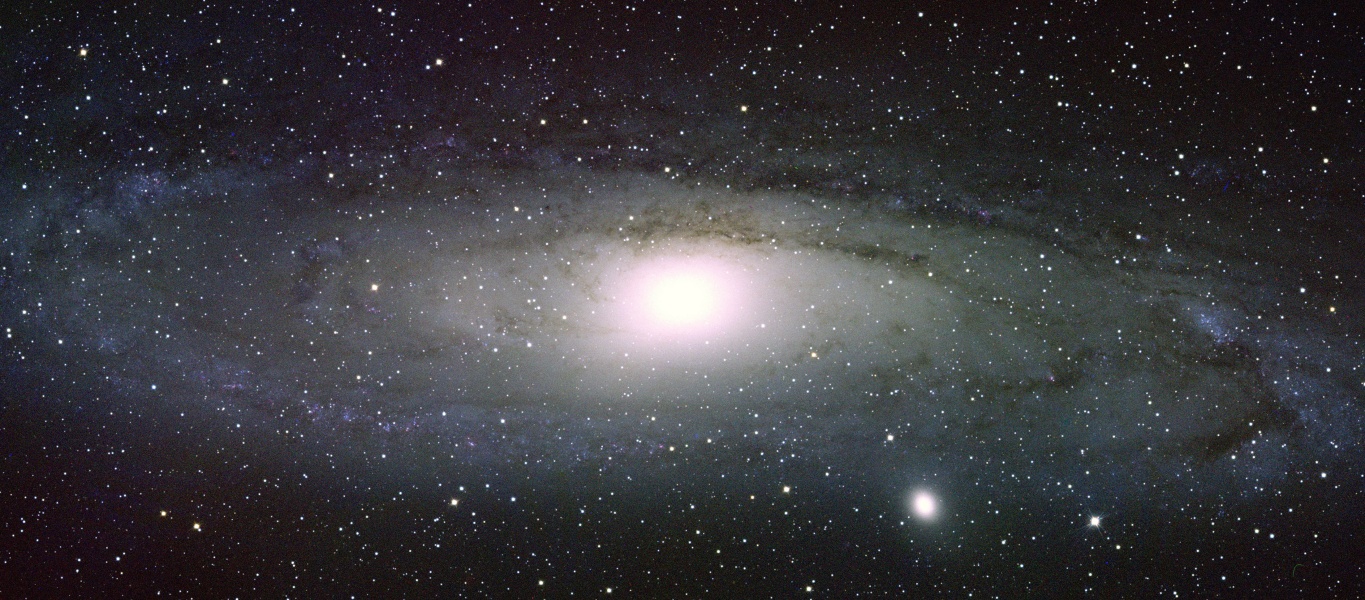
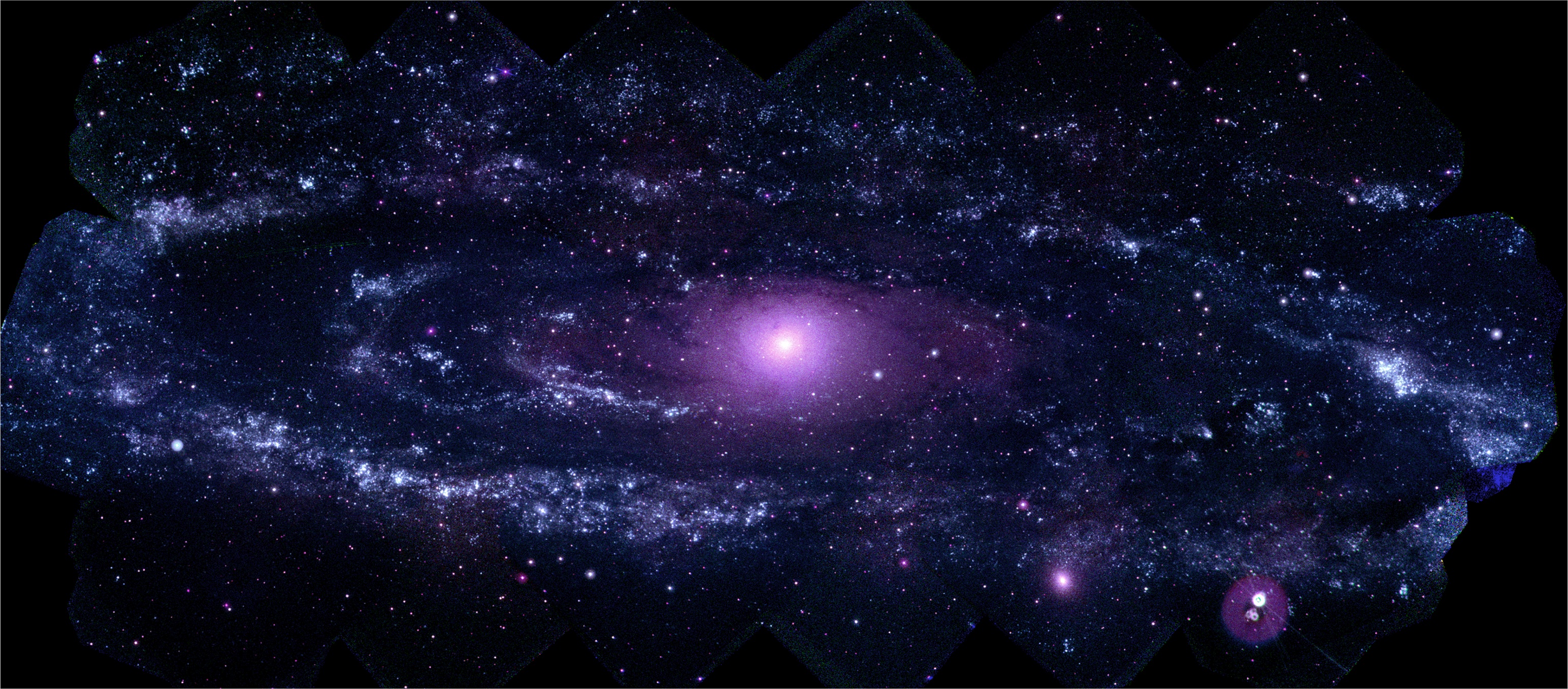
APOD 2.1
 |
| The Andromeda Galaxy, seen in the visible spectrum. |
 |
| The Andromeda Galaxy, seen in the ultraviolet spectrum. |
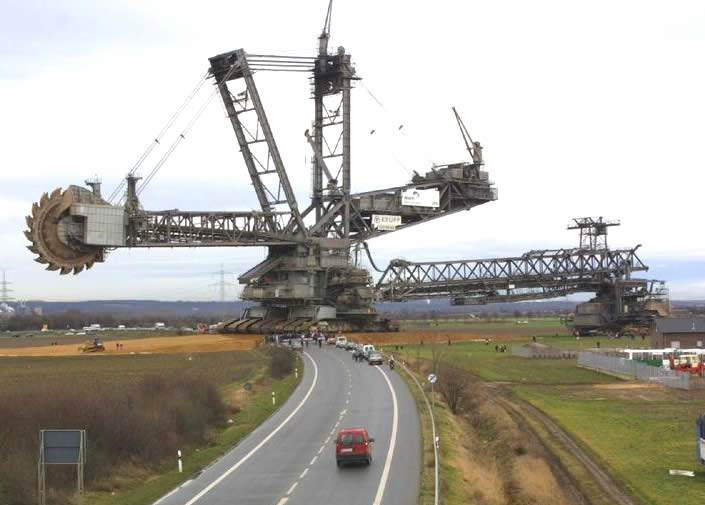
APOD 1.8
 |
| A bucket-wheel excavator, used in Earth-based mining. |
Subscribe to:
Posts (Atom)